
Why soft skills will define design careers over the next two years
Here’s what 28 design leaders told me is critical for their teams


“Soft skills are the new design,” a Head of Design told me recently. “The real value is becoming more and more in actually bridging the communications, in making sense of things.”
It’s a statement that catches most designers off guard. In an age when AI tools can generate polished interfaces in seconds and executives question the ROI of design teams, 21 design leaders are saying the same thing.
The future of design doesn’t lie in mastering yet another prototyping tool or learning to “vibe code.” It lies in becoming the glue that holds cross-functional teams together.
Because here’s the uncomfortable truth: communication increasingly determines career trajectories more than craft skills ever will.
The Communication Crisis Hiding in Plain Sight
Most designers don’t realize they have a communication problem. When pressed, many believe they do a decent job of presenting their ideas, unaware that they’re not actually communicating.
“I think a lot of people fail to realize communication isn’t done ever. And when you say a thing, what somebody else hears is only a part of the thing that you thought you said.” — CEO/Founder, Agentic AI company
The trap is simple: many designers inform others rather than communicate with them. They give one-sided presentations with little concern for fostering dialogue or understanding.
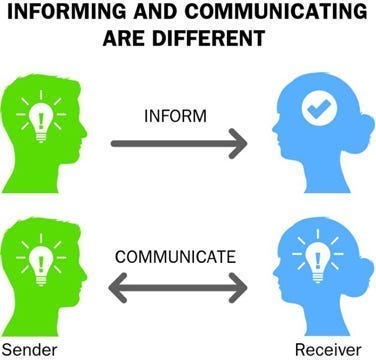
Part of this stems from visual-only communication. Many designers believe their work speaks for itself. Whether it’s a polished Figma prototype or a before-and-after comparison, many designers believe the changes should be evident to others.
But if you can’t articulate WHY you made specific decisions, you’re asking stakeholders to trust your taste without giving them any way to evaluate your thinking. And that doesn’t work anymore.
Why AI Makes Communication Even More Crucial
AI tools have recently highlighted why this communication gap becomes even more critical.
When AI can generate high-fidelity designs in an hour, what value are you actually providing?
A Global UX Director at a Legal Tech company experienced this firsthand when a PM used Google’s Stitch tool to create designs from some sketches:
“When PM presented that to people, the untrained eye looks like a finished kind of design, right? But when you start looking at it, it’s not quite right, and it’s a little bit broken in places.” — Global UX Director, Legal Tech
The thing is, the AI tools on the market are now democratizing design: more people than ever can create ‘good-looking’ designs that are broken.
“Now PMs and engineers and anyone in the business can create a rapid prototype really quickly. What matters is design being more consultative, helping people understand is the work you’re building right, bringing that layer of taste.” — Head of Strategy & Design, mid-size organization
The ability to distinguish what’s broken and translate why that matters becomes your value. But this only works if you can articulate what makes design “good” versus “mediocre.”
“One of the problems with AI is that it will take anything that you give it. It will give you 10 Reasons why two plus two is five. So as somebody who’s interacting with an AI solution, you need to be able to push back and really, really say why one thing is right versus wrong.” — Head of Design, startup
So how do you develop this ability? By mastering communication across three modes — and starting with the one most designers overlook.
The Three Communication Modes (And Why to Start With Writing)
Most designers assume they need to master presentation skills first. They’re wrong.
The smartest path forward? Start with writing.
“To hone in on your communication skills. I would just say, start writing. Starting to write and talk about your work really starts helping you see who the audience is, what are they looking for, and how to fly.” — Design Director, ex-Amazon
Step 1: Written Communication
Written communication — Slack messages, JIRA tickets, design docs, PRDs — is where you can begin to scale influence, because it scales beyond meetings. It’s also the easiest place to start because you can edit, revise, and refine before anyone sees it.
The Practice: Document Your Decisions
After every design decision, write three sentences explaining:
What problem were you solving
Why did you make this specific choice
What business outcome does it support
Start small. Document your thinking in Figma comments. Write summaries in Slack after design reviews. The goal isn’t perfection — it’s building the muscle of articulating your reasoning in writing.
The Skill: Translating Design Language to Business Language
Written communication forces you to find the right words. You can’t rely on pointing at a screen or reading body language. You must translate.
“It’s always about talking in the language of business. You go to devs, you try to talk in their language, in the language of frameworks. The constant issue is this lack of proper messaging where you explain WHY we need to do this.” — Head of UX, Global Communications company
Practical Exercise: Take your last project. Write a 200-word summary that:
Never uses the word “user experience” or “UX”
Explains the business problem in plain language
Connects your design decisions to measurable outcomes
Could be understood by your CEO
Can’t do it? That’s your gap.
Building the Writing Habit
Write in low-stakes environments:
Personal notes documenting why you made decisions
One-on-one Slack messages to your PM
Internal team docs explaining your thinking
LinkedIn posts sharing what you’ve learned
The writing teaches you to think clearly. And clear thinking leads to clear speaking.
This is how informing others becomes communicating. You’re not just presenting information: you’re building understanding and laying the foundation of dialogue.
Step 2: Verbal Communication (Built On Writing)
Once you can articulate your thinking in writing, verbal communication becomes easier. You’re not scrambling for words in the moment. You’re drawing from clarity you’ve already developed.
The Art of Low-Stakes Practice
“I would start with one-on-ones. Sit with your product manager and be like, I understand your request, but this is what I want, and articulate why that’s not sitting well with you. That sort of starts building relationships that helps you create your allies internally, and then they start speaking about you in rooms where you’re not there.” — Director of UX, Fortune 500 Retail company
Notice the progression:
One-on-ones (lowest stakes)
Team meetings (medium stakes)
Leadership reviews (high stakes)
The Skill: Storytelling Through Structure
One of the other critical skills? Learning to tell a story.
Stories aren’t just a nice-to-have: they’re critical in changing the narrative that your team might have built up about a product and what it’s supposed to do.
“Learning to tell that story is especially very useful. I’m teaching managers how to put together a PowerPoint deck or slides as they see fit. There’s no need to always be fully polished when you show story.” — Senior Director of Product Design, Healthcare
The structure matters more than polish:
Start with the problem in business terms (revenue, cost, risk)
Show your thinking process (here’s what we considered)
Explain your recommendation (here’s why this solution)
Connect to outcomes (here’s how we’ll measure success)
The First Step Towards Making a Difference Is Communication
The designers who thrive aren’t learning another tool. They’re learning to communicate strategically across all mediums to help teams take action.
“I struggle with my own designers’ ability to communicate, and that’s going to cap how high they can climb. Even if they’re brilliant in some areas, the organization moves around them because they’re not brilliant in communication.” — CEO, Agentic AI
Because in this uncertain future, your team is craving clarity around design. They want to understand how your design work, beyond visuals, will impact business outcomes. This is what that opening quote meant: soft skills — communication, translation, bridge-building — are becoming the core design skills.
Your design skills might get you in the door. But your communication skills will determine how long you stay in the room.
After talking with 21 design leaders, there is a consensus that the designers who thrive in the next two years will be those who can:
Articulate design decisions in business terms, not design jargon
Build relationships across functions and speak multiple “languages”
Tell data stories that connect user experience to business outcomes
Evaluate and improve AI-generated work rather than just accepting it
Communicate asynchronously through clear, compelling written documentation
The first step to doing all that? Learning to communicate.
Kai Wong is a Senior Product Designer and Data and Design newsletter author. He teaches a course, Data Informed Design: How to Show The Strategic Impact of Design Work, which helps designers communicate their value and get buy-in for ideas.